Conserve. Repair. Rebuild.
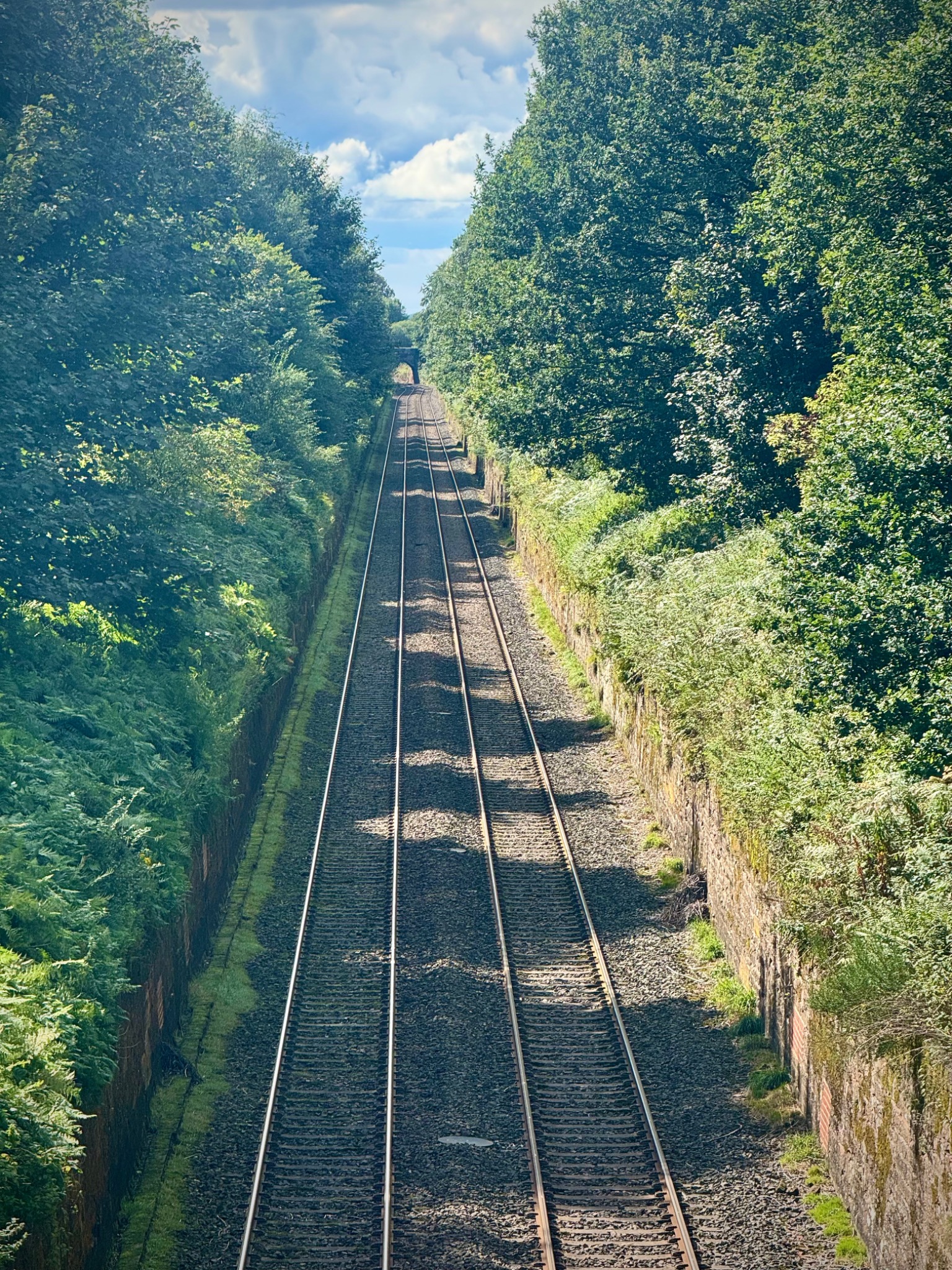
The Cowran Group is a nationally listed engineering work that still carries the railway it was built for. The campaign asks for conservation to be designed into its future — not considered after an engineering solution has already been chosen.
A SIMPLE PRINCIPLE
Heritage should be part of the engineering brief.
This is not a campaign to freeze an operational railway in 1836. Cowran must remain safe, serviceable and maintainable. The argument is that those legitimate engineering needs can — and now must — be addressed in a way that conserves the nationally recognised historic fabric.
Listing changed the context. The bridge, the cutting revetment walls and Skellion Bridge are protected because their relationship survives as one pioneering work of railway engineering. The campaign therefore starts with the significance of the whole and asks how modern engineering can protect it.
WHAT WE ARE ASKING FOR
Four practical outcomes.
The campaign is deliberately specific. It is not enough simply to oppose one fence: the aim is to secure a conservation-led future for the whole Group.
Rebuild the missing wall
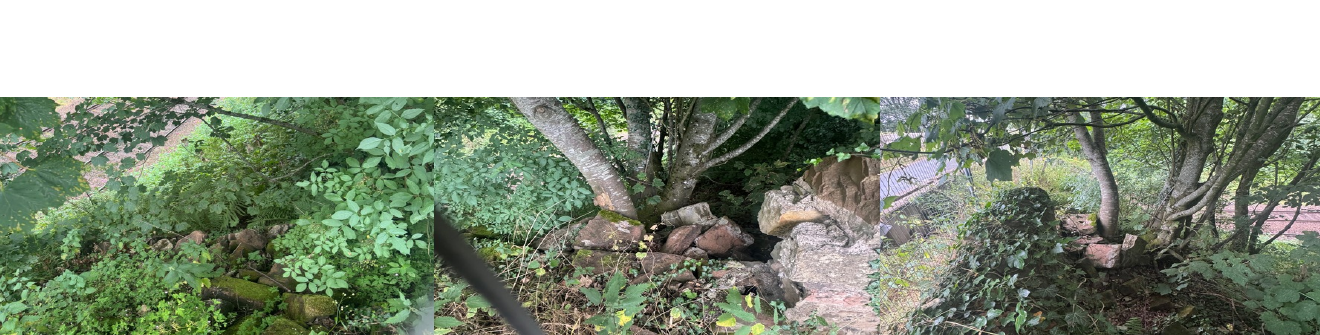
Reconstruct Cowran Bridge’s collapsed south-east approach wall in stone, using suitable surviving masonry wherever practicable. Modern foundations, drainage or other measures needed to address the cause of failure can be engineered as part of the solution.
Conserve what survives
The three surviving approach walls should be retained and repaired according to condition, using materials and techniques appropriate to the listed structure. Annual examination should support a programme of care, not substitute for it.
Record before repair
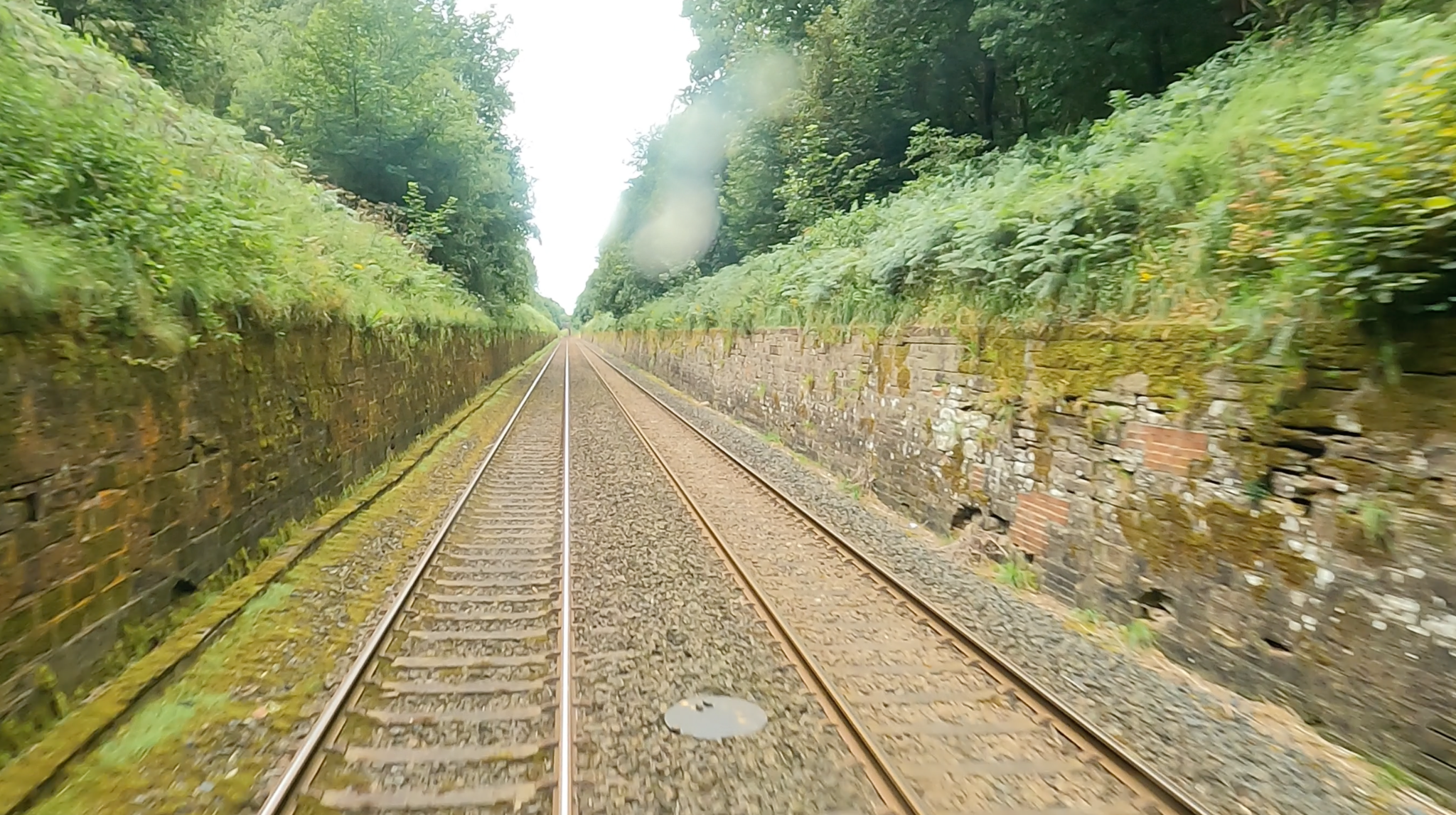
Create a systematic, location-referenced photographic baseline of Cowran Cutting before substantial intervention: historic stone, missing blocks, cracks, open joints, bulging masonry, vegetation and earlier brick repairs.
Respect the Group
Manage Cowran Bridge, Cowran Cutting and Skellion Bridge as the connected listed engineering ensemble they are. A decision affecting one element can alter the integrity and legibility of the whole.
NOT HERITAGE VERSUS SAFETY
A safe railway and a conserved railway are not competing ambitions.
None of this requires choosing between railway safety and railway heritage. It requires treating both as responsibilities.
THE PRINCIPLES ARE ALREADY AGREED
Network Rail’s own heritage guidance points the same way.
The campaign is not asking Network Rail to invent a new conservation philosophy for Cowran. Its published CP7 Buildings and Architecture Policy already contains heritage-assessment guidance built around significance, condition, planned repair, statutory procedures and proper records.
“Being responsible for this national heritage is both a privilege and a challenge.”
Network Rail, on looking after Britain’s bridges, tunnels and viaducts. Source →
“If you can keep stuff which is historical … why wouldn’t you do it?”
Lord Hendy is a former Chair of both Network Rail and the Heritage Railway Association, the trade body serving Britain’s heritage railways and related organisations. On becoming HRA Chair in March 2023, he described heritage railways as “vital for the preservation of technological and social history” and spoke of ensuring the sector’s long-term sustainability. HRA source → Network Rail source →
WHY NOW?
The choice is still open.
The key decisions were made across different legal and engineering contexts. That is precisely why the permanent answer deserves to be reconsidered now.
A wall collapses
The south-east approach wall falls onto the operational railway. Network Rail’s emergency response identifies a “design led solution to rebuild”.
A replacement scheme
A design package proposes removing the surviving approach walls and installing galvanised palisade fencing — before the Group has national statutory protection.
National recognition
Cowran Bridge, Cowran Cutting’s historic revetment walls and Skellion Bridge are listed together at Grade II for architectural, historic and group value.
The position narrows
Network Rail says the three surviving walls are regarded as stable and will be examined annually, while palisade fencing remains proposed at the failed corner.
A CONSERVATION-LED ALTERNATIVE
Rebuilding is not a retrospective campaign invention.
It was the first permanent direction recorded after the collapse: Network Rail’s own emergency response called for a “design led solution to rebuild”.
The campaign asks for that principle to be revisited in the post-listing context. Reconstructing the missing wall in stone can restore the relationship between all four corners of Cowran Bridge while still allowing modern engineering measures to address the cause of the earlier failure.
COWRAN CUTTING
Record it before changing it.
The cutting needs a conservation plan as much as the bridge does. Its threat is less spectacular than a single collapse, but cumulative loss can be just as permanent.
Network Rail’s records identify masonry defects and a one-year repair priority, while the July 2025 photographic sequence shows missing stone, open joints, cracking, vegetation and conspicuous earlier brick intervention. Before substantial repair or reinstatement, the surviving fabric should be systematically recorded.
what survives · what is missing · what has already been repaired · what is proposed to change · what remains afterwards
That record should be linked to a repair schedule and an agreed specification for stone, mortar and methods of repair, giving Network Rail, Cumberland Council and heritage interests a shared and auditable basis for decisions.
BUILDING THE CASE
Evidence, scrutiny, heritage and public support.
The campaign is being built around documentary evidence rather than assertion. Different organisations have different responsibilities, so the case is being pursued on several fronts.
Follow the documents
Examination reports, design records, correspondence and photographs are being assembled into a traceable record of condition, decisions and outstanding questions.
Independent scrutiny
The Office of Rail and Road has asked Network Rail for works and timescales, risk controls, examination history and structural assessments for the bridge and cutting. The safety case remains distinct from the heritage argument.
Use the protection
Historic England has confirmed that the Cowran Bridge wing walls are described and mapped in the List entry. Cumberland Council is the local planning authority for listed-building decisions.
Widen the constituency
The campaign is seeking specialist heritage interest and public support so that Cowran is treated as a nationally important test of how operational railway heritage can be conserved in use.
WHAT SUCCESS LOOKS LIKE
Not a museum. A working railway conserved in use.
Cowran matters precisely because it still performs the job for which it was built. Success means keeping that function while retaining the historic evidence embodied in the fabric.
Cowran Bridge whole again
The failed fourth corner reconstructed in stone, with the three surviving walls positively conserved.
Cowran Cutting properly understood
A baseline record, repair schedule and material specification guiding conservation of the historic revetment walls.
The Group managed as a Group
Future engineering decisions recognising that bridge, cutting and Skellion Bridge derive significance from their relationship.
YOU CAN HELP
Turn conservation from an argument into an outcome.
The case is evidence-led, the alternative is practical, and the decision is not yet irreversible. A small number of well-directed messages can help make clear that the future of the Cowran Group matters beyond the bridge itself.