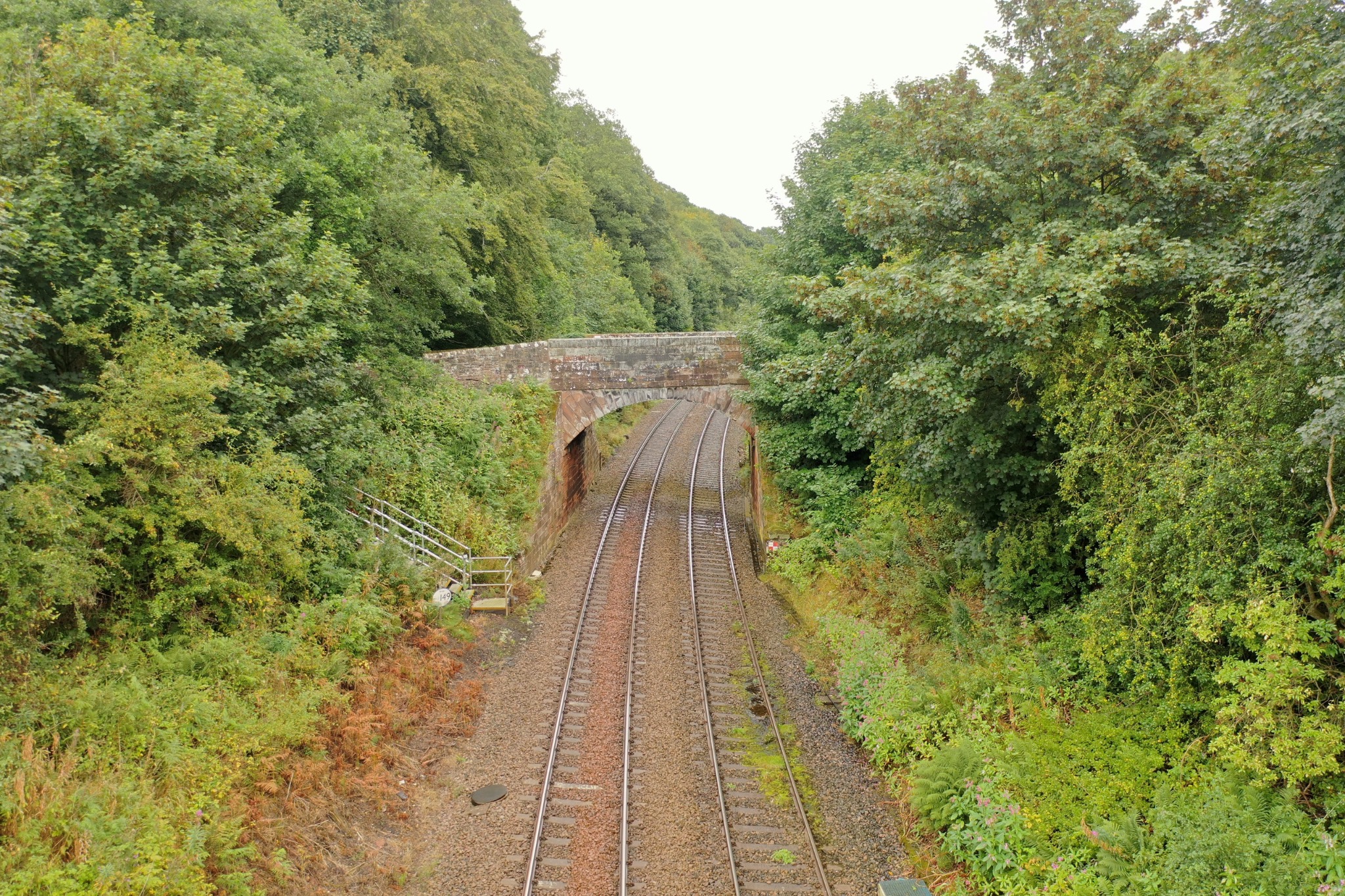
Help protect the Cowran Group
A few minutes can help. Write to two people with the influence to ask for a conservation-led future for Cowran Bridge, Cowran Cutting and Skellion Bridge.
WHY WRITE NOW?
The permanent answer has not yet been written in stone.
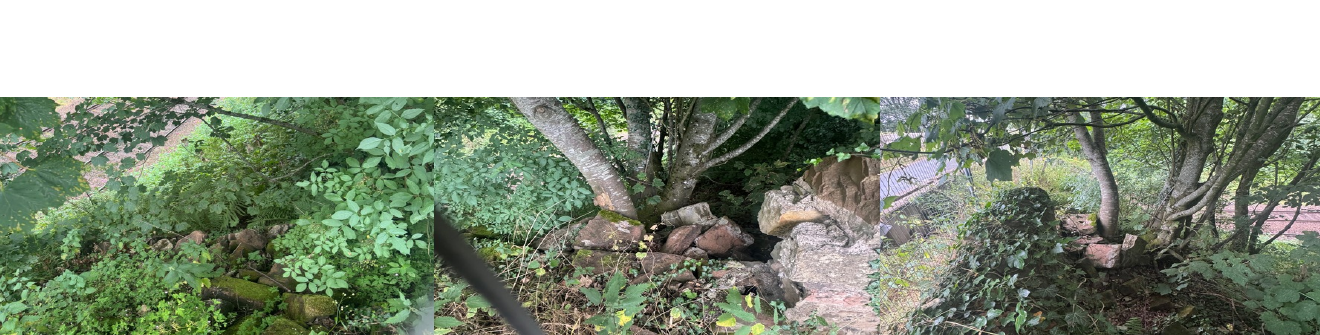
The failed south-east approach wall at Cowran Bridge remains absent. Network Rail’s current proposal is still palisade fencing at that corner — even though the Group is now nationally listed.
The campaign is not asking for safety to be compromised. It is asking for the engineering solution to begin with the significance of the historic asset and to retain or recover its fabric wherever reasonably possible.
WHY THE POSITION IS DIFFERENT NOW
Listing changed the ground rules.
The 2024 palisade scheme was designed before the Cowran Group received national protection. Grade II listing does not prevent necessary safety or engineering work, but it means the significance and surviving historic fabric must now be part of the solution.
The listed fabric now has statutory protection.
Historic England has confirmed that Cowran Bridge’s approach or wing walls are described in the List entry and mapped, and that works to them require Listed Building Consent from Cumberland Council.
More widely, work affecting the character of the listed Cowran Group must be considered within the listed-building regime. That makes a fresh, post-listing assessment of permanent interventions essential.
Listing is not a ban on engineering work. It is a requirement to integrate conservation with legitimate operational and safety needs.
Record it before changing it.
Before further repair or alteration of Cowran Cutting, the present state of its historic revetment walls should be comprehensively recorded. A location-referenced photographic baseline would allow later changes to be identified rather than guessed at.
- surviving historic stone and missing blocks;
- cracks, open joints, bulging or displaced masonry;
- earlier brick repairs and other material changes;
- vegetation affecting fabric or inspection visibility.
A proper baseline would help Network Rail, Cumberland Council and heritage bodies distinguish conservation, repair and loss — and provide an auditable record for the future.
MAKE IT YOURS
Please don’t feel you have to send the words exactly as written.
The templates below are there to make writing easy. A sentence or two in your own words can make the message more personal and more persuasive.
NETWORK RAIL
Richard George
Chair of Network Rail. The Chair leads the Board of the organisation that owns, operates, maintains and develops Britain’s railway infrastructure. This is an appropriate place to ask for the permanent treatment of Cowran to be reconsidered at the highest level. Network Rail Board →
Open contact page →
OR WRITENetwork Rail
Waterloo General Office
London SE1 8SW
Tip: if the contact form asks for a category, choose the closest option for a comment, suggestion or infrastructure concern, then ask for the message to be forwarded to the Chair’s office.
DEPARTMENT FOR TRANSPORT
Lord Hendy of Richmond Hill
Minister of State for Rail. His responsibilities include rail policy and infrastructure. He is also a former Chair of Network Rail and has longstanding involvement with railway heritage organisations — making the conservation principle at Cowran especially relevant. Official GOV.UK profile →
Suggested subject: Cowran Group, Cumbria — request for ministerial support for conservation
The email address above appears on official ministerial correspondence. The email button opens a new message with the suggested subject; paste the copied text into the body and personalise the ending.
Contact details checked 21 August 2026.
Political and organisational roles can change. The page links to the official Network Rail and Department for Transport routes so details can be rechecked when necessary.
ONE LAST THING
Two thoughtful messages are more useful than twenty angry ones.
Thank you for helping make the case that a working railway can be safe, modern and still conserve the historic fabric from which Britain’s railway story began.